Wooby

20 Moral Values for Kids to Teach at an Early Age
Published On: 10 August 2026
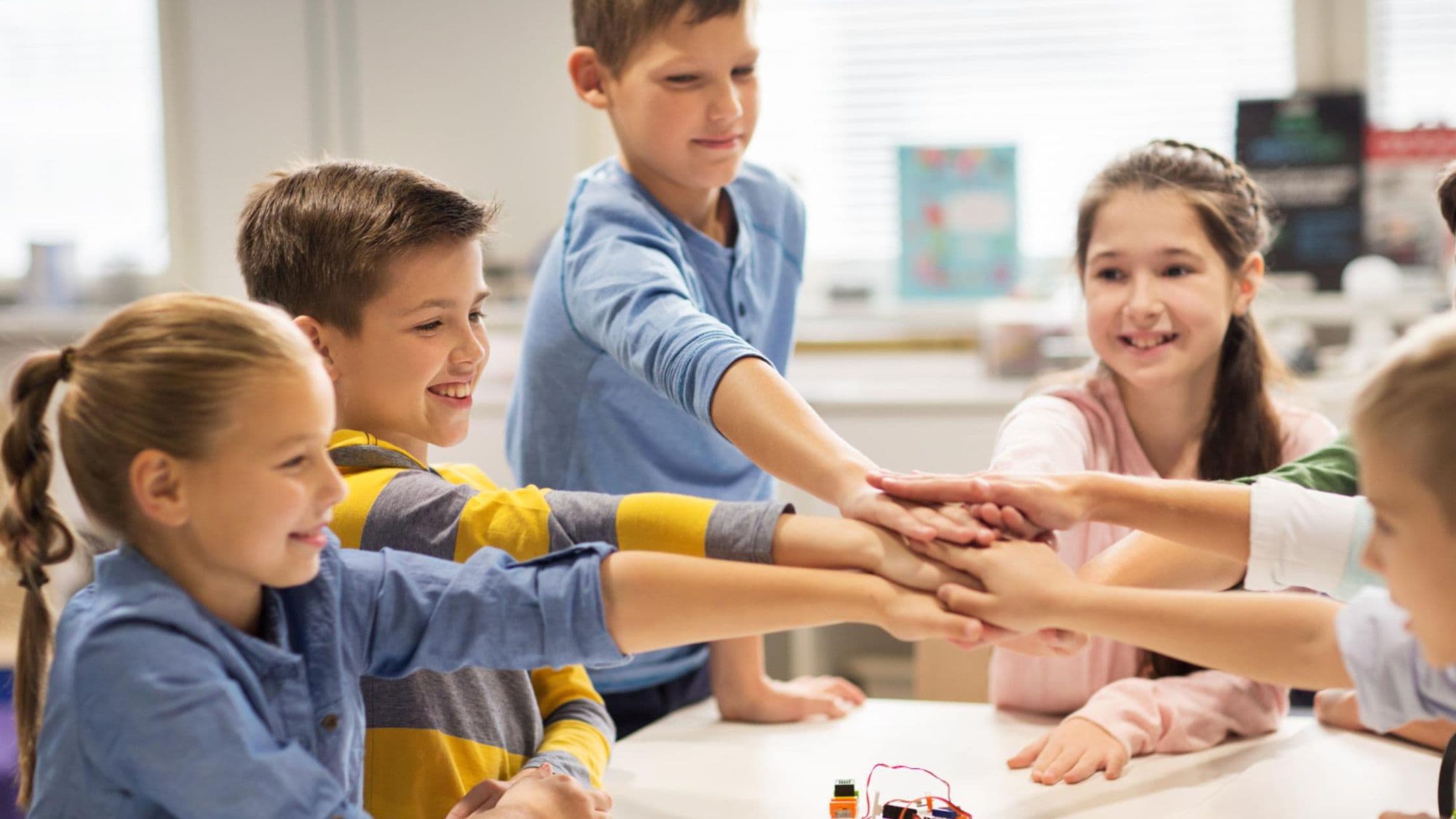
Moral values are the seeds we plant inside our child character, these values help shape your child's character and guide them toward becoming a responsible, compassionate, and ethical person. As every step counts, their small steps toward implementing these moral values shared in these blog posts add to their life goals. These principles of moral development build the foundation for a prosperous life. So let's get started with these moral values today. We'll cover how you can develop these in your child:
Importance of Moral Values
Children are guided to make moral decisions and treat others with respect by moral values, which are the rules that establish what is right and wrong. Here’s why moral values are crucial:
- Moral values help kids build their character, which will decide their overall future. Kids with the right values and beliefs can totally change the world, as we have so many real-life examples. Moral values help them develop strong and humble personality.
- Moral values help them develop the quality of empathy and learn to understand and care for other’s feelings and also their own as well.
- Moral values help them take ownership of their actions and work, and help them take responsibilities in life.
- Moral values like respect, kindness, and patience help them build healthy connections with others and help them build an overall positive character.
With these learnings shared below, kids learn to face hard challenges in life with determination, resilience, and integrity. Teaching the below shared moral values will help them achieve big goals and get positive results in life.
20 Moral Values for Kids
1. Honesty
Honesty means being truthful in words and actions. Explain to your child why lying can harm trust and relationships. As lying not only saves them once but can also get them into trouble, once they understand the value of honesty, then they will not be going with lies. Remind them to always speak the truth, even if it's challenging or in tough times. Use simple examples like returning lost items or admitting to mistakes. The easier way to develop honesty is simply by telling them stories related to honesty, which you can find on the Wooby blog. As it is well said, “Honesty is the best policy.”
2. Respect
Respect is about valuing other’s feelings, thoughts, opinions, beliefs, and personal space. Teaching your child that they should listen when others speak, avoid interrupting, and treat everyone with kindness. You start first by demonstrating speaking politely and positively with them and others, as they will mimic you.
3. Responsibility
Responsibility involves taking ownership of actions and fulfilling duties. A practical way of developing this is to just start to assign them age appropriate tasks that they have to complete on their own, for example, cleaning their room. Show them how being responsible helps others and makes them dependable. Taking responsibility is one of the most important values in a successful child.
4. Kindness
Kindness is showing care and concern for others. Encourage your child to provide a helping hand to anyone in a problem, share what they have, or support a friend. Even the smallest gestures of kindness can make someone's day happy or easy and increase empathy. Tell them the importance of being kind for their well-being.
5. Gratitude
Gratitude means appreciating and being thankful for what you have to nature or God, as you like, as per your beliefs. When your child receives assistance or presents, encourage them to say "thank you." Instruct them to keep their eyes on life's good things, including friends, family, and health. And just be thankful for what they have, and not be arrogant about anything, as we do not have control over it, and most of the people don't have access to the resources. If they are above 10 years, tell them to write 5 lines of gratitude in their diary.
6. Compassion
Compassion is understanding other’s feelings and wanting to help. Share stories where someone offers help in tough times. Encourage your child to notice when someone is upset and ask how they can assist.
7. Fairness
Fairness teaches children to treat everyone equally and share resources. It’s more about always making decisions that are good for everyone. For example, you got 2 bananas, and you told him to share them equally, and your kid did that. Also, this shows a sign of fairness. Explain how fairness builds trust and harmony.
8. Forgiveness
Letting go of grievance and moving on are two aspects of forgiveness. Teach your kids to forgive rather than hold their anger if they feel violated. Explain how forgiveness benefits the forgiver and helps heal relationships.
9. Perseverance
The ability to keep trying in the face of difficulties with strong will is perseverance. Teach your child that facing challenges is a necessary part of the learning process. Those who do not face challenges never grow. Urge them to complete a challenging task or practice a skill until they become good at it.
10. Politeness
Good manners, like saying "please" and "pardon me," are examples of being polite. Teach your child that being kind develops respect for others and makes a good impression. Being polite doesn't mean being silent; it's more about carrying positive energy in the room.
11. Self-Control
Self-control is managing emotions and actions. This is one of the most important quality one should have in order to succeed in life knowing controlling emotions becomes crucial in many phase of life, help your child learn to pause before reacting, especially when angry or upset. Breathing exercises or counting to ten can be useful techniques.
12. Tolerance
Accepting the beliefs, opinions, and cultural diversity of others is a sign of tolerance. Teach your child that regardless of background, everyone deserves respect and that diversity makes the world a beautiful place to live. As each culture has its own significance, which one may not find well, accepting others' beliefs is also important.
13. Generosity
Sharing what you have with others that will help is called generosity. Encourage your kids to share things like toys, time, or even compliments. Describe how giving makes both the giver and the recipient happy, not just things, but also good comments and thoughts.
14. Humility
Humility involves being modest about achievements. Teach your child to acknowledge their strengths without boasting and appreciate others’ efforts. Tell them how humility and being humble are helpful for the society and people in general.
15. Teamwork
When people work in a group with the aim of achieving a single goal, it is called teamwork. Engage your child in group activities like team sports or family projects. Emphasize the importance of cooperation and valuing everyone’s contribution.
16. Patience
Patience means waiting calmly without frustration. Patience is more about waiting for the best without getting distracted. Just like the mango tree, practice patience by making them wait their turn in games or stand in line. By having patience, kids can stick to their work and goal for the long term and excel in life. Using stories and examples, convey to your kid how patience helps in achieving long-term goals.
17. Courage
Courage is the ability to stand up for the goal, even when it's challenging or the condition is worse. Encourage your child to respectfully voice their opinions or to report bullying. Courage is more about sticking to the truth or goal with full energy and spirit. Share stories of brave individuals to inspire them. Motivate them to participate in school activities where they perform activities in public and build their confidence.
18. Cleanliness
Keeping yourself and the environment clean are two aspects of cleanliness, which basically means to make things around us clean and maintain our body hygiene. As the body is our first home, your child should understand that adapting cleanliness helps them a lot, not only elevates their look but also helps them stay protected from the germs and bacteria. Make sure that they wash their hands, maintain a clean space around them, and are environmentally conscious.
19. Loyalty
Being faithful to friends, family, and commitments is what it means to be loyal. Loyalty is the quality that can be found in any successful personality at some point in life, they showed loyalty towards their work, idea, or loved ones. Teach your youngster the importance of keeping your word and supporting those you love.
20. Justice
Justice involves standing up for the right and treating others fairly. No matter what the challenge is, always promoting justice and fairness is what every person should do, this helps build a good society. Share stories of leaders who followed justice and succeeded in life. From making fair decisions to judgements, justice should always be the foundation.
How to Help Your Children Develop Moral Vales:
- Become a Hero: Set an example for your child, as they try to mimic what they see, and mostly children learn from their parents.
- Use Stories: Stories are the best method to make kids aware and understand moral values with examples. You can read moral value stories for kids by Wooby.
- Praise Good Behaviour: Acknowledge and reward good actions, as this will help you get motivation to make take other similar actions.
- Engage in Conversations: Share good examples of leaders and about their decisions and behaviour that changed the world.
- Create Opportunities: Group activities with friends and volunteering help build confidence and personality.
Summary
Teaching moral values is an investment in your child’s future that you make today and get a return on every single day. With the above shared values, your kids learn to live the life with meaning, and their lives become easier and more joyful. With these moral values they gain the confidence, courage, empathy, and integrity to result. You are making them ready to face any challenge in life and live life with empathy and a positive attitude. Use real-life examples and stories to develop the moral values needed for success.
